Category Archives: Music

T. Frederick H. Candlyn Anniversaries 1938 and 1940

This photograph has hung in the robing room for choir men for many years, but we were never sure of the occasion represented, or the names of those pictured, other than T. Frederick Candlyn (St. Paul’s organist and choirmaster 1915 — 1943), who is seated in the center.  Thanks to a scrapbook compiled by parishioner Grace McKinlay Kennedy in 1940, we now know that the photograph was published in the Knickerbocker News for April 22, 1938, with all explained.

1938 Choir Boy Reunion with T.F.H. Candlyn

1938 Choir Boy Reunion with T.F.H. Candlyn

The event was a reunion of former boy choristers, probably occasioned by  the 23rd anniversary of Candlyn’s arrival at St. Paul’s that month.  In addition to Candlyn, those pictured are:

  • Ted Bearup
  • Ed Newcomb
  • Charles Tremper
  • Marion Henry
  • Harold Henry
  • Herbert Devlin
  • James McCammon
  • James Shattuck
  • Harvey Sayles
  • Raymond S. Halse
  • Russell LaGrange
  • Charles Loftus
  • Edward Jackson
  • Laird Robinson

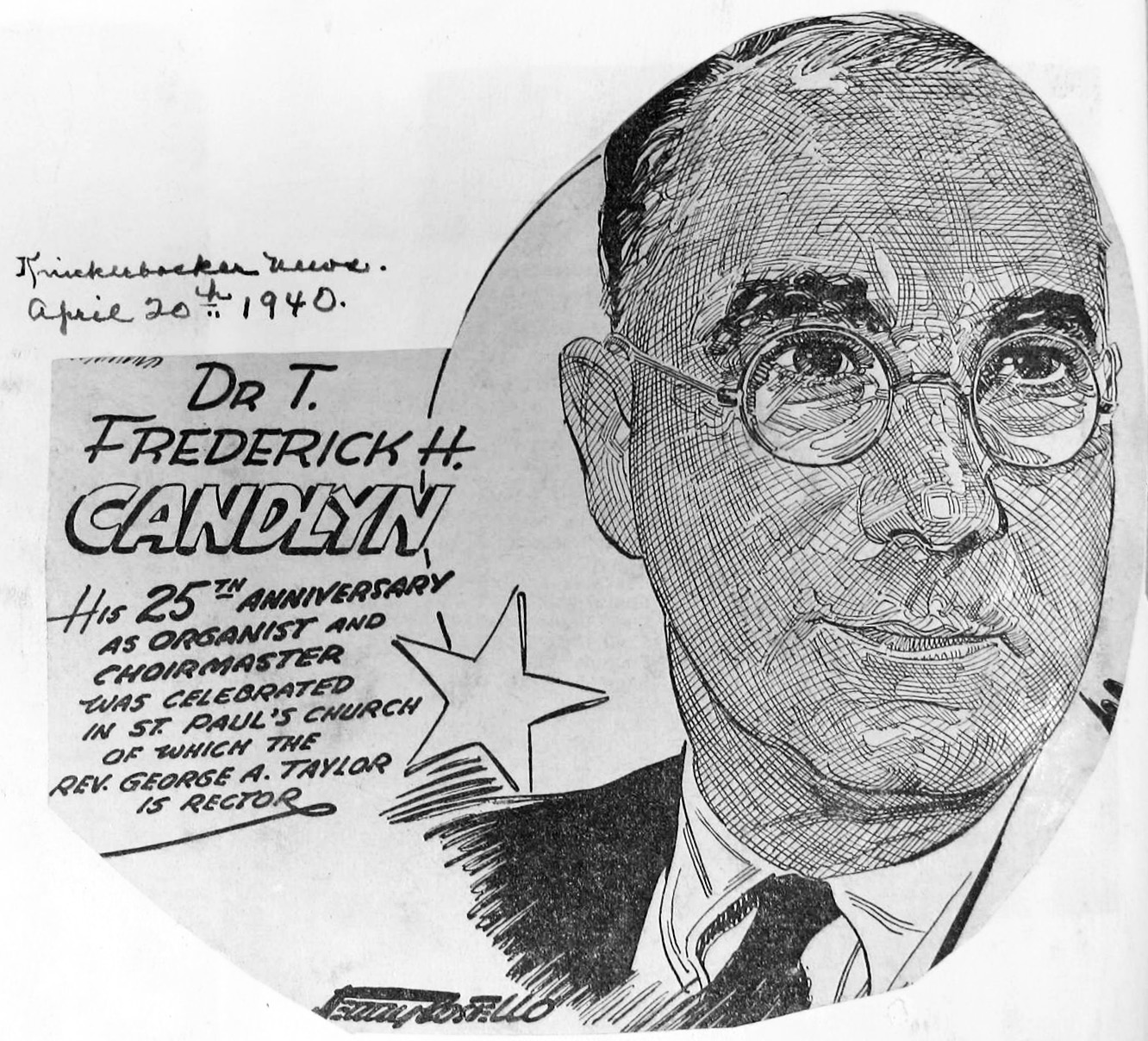
In the same scrapbook, Grace McKinlay Kennedy included this drawing of Candlyn, published in the Knickerbocker News April 20, 1940, on Candlyn’s 25th anniversary at St. Paul’s.

T.F.H. Candlyn 25th Anniversary at St. Paul's

T.F.H. Candlyn 25th Anniversary at St. Paul’s

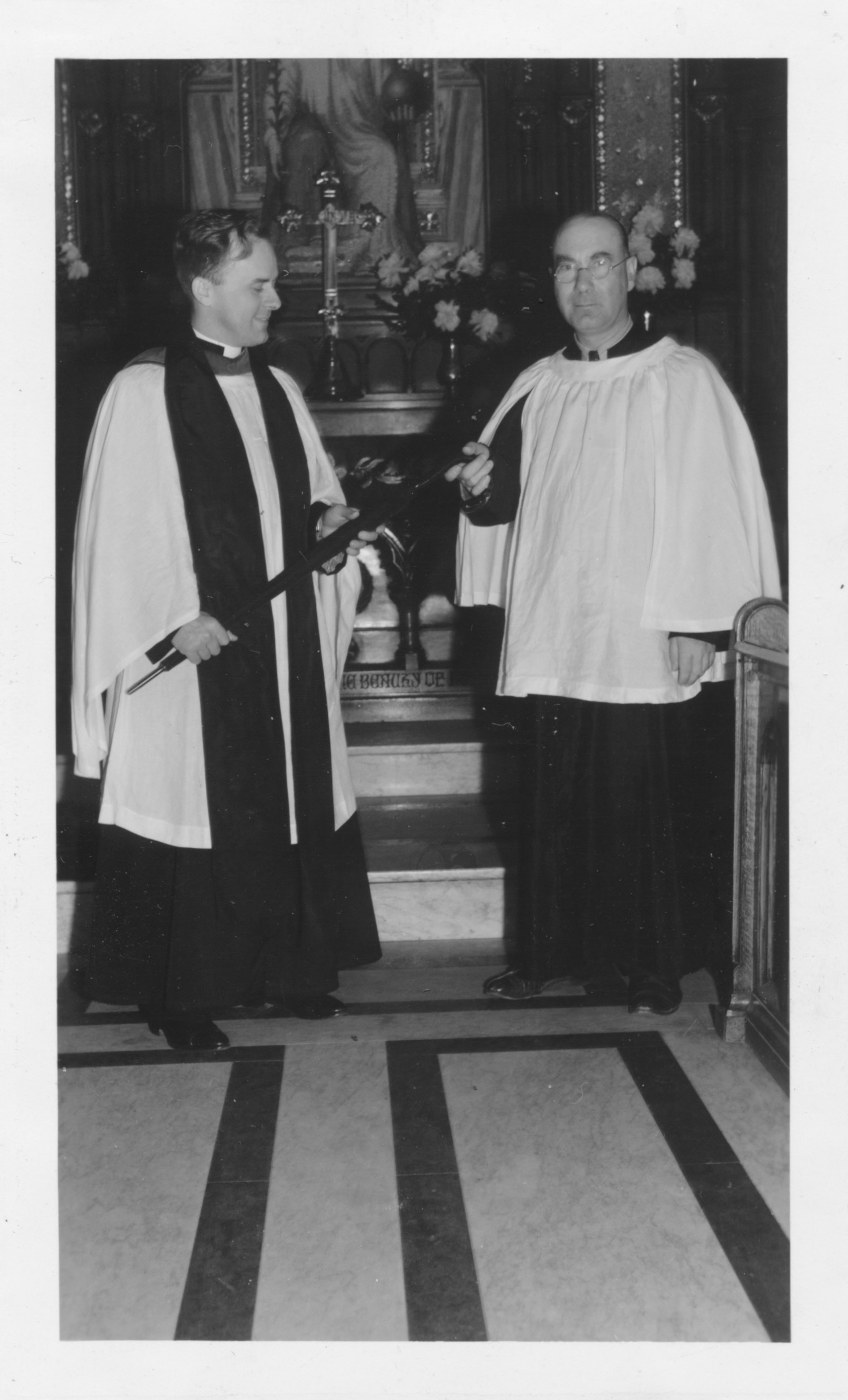
The scrapbook also explains a photograph of Candlyn that had puzzled us all. It shows Candlyn with George A. Taylor (St. Paul’s rector 1932 — 1948) standing in front of the chancel, with Taylor handing Candlyn what appears to be an umbrella.

Candlyn and George A Taylor, June 1940

Candlyn and George A Taylor, June 1940

This photograph, she tells us, is not from Candlyn’s 25th anniversary as organist and choirmaster. It was taken two months later, in June 1940, when Candlyn was honored for twenty-five years’ perfect attendance at Sunday School.


George William Warren at St. Paul’s — Part 1, 1848-1851

As we have seen, George William Warren resigned as organist and choirmaster of St. Peter’s Church in October 1848. We know that he was to spend most of the period until August 1860 at St. Paul’s Church, Albany. But when did Warren first come to St. Paul’s Church?

George William Warren

George William Warren

Warren’s obituary in the New York Times (17 Mar 1902) specifically says that he came to St. Paul’s in 1848. And Warren himself implies that year as well in an 1856 classified advertisement (Albany Evening Journal 7 Apr 1856); in which he identifies himself as “Organist and Musical Director at St. Paul’s Church (for eight years).” Articles in Dwight’s Journal (15 Nov 1856) and Albany Morning Express (30 May 1857) confirm that as of October 1856 Warren had been at St. Paul’s for eight years.

Additionally, Warren twice wrote that when he left Albany in 1860 he had been at St. Paul’s since 1848: “nearly thirteen years” according to his letter of resignation to the St. Paul’s vestry (“nearly” because of his ten months at Second Presbyterian), and precisely “thirteen years”  (writing as “Jem Bags” in Dwight’s Journal 1 Dec 1860).

St. Paul’s vestry minutes are silent on musical activities in this period, and we may never know the precise date or month in which he started. The first evidence comes almost a year later, when we read that “George W. Warren Organist of St. Paul’s Church” is offering piano and organ lessons (Albany Evening Journal, four insertions in mid-August 1849). Warren also advertised his music lessons the next year, describing himself as “Organist and Director of Music of St. Paul’s Church.” (Albany Evening Journal, 2 Sep 1850)

George William Warren must have begun composing early in the period. We have two compositions specifically mentioning performance at St. Paul’s. The first is “Rock of Ages,” which Warren (in his Hymns and Tunes as Sung at St. Thomas’s Church, New York (New York: Harper & Brothers, 1889) dates to 1849. It was first published in 1851, dedicated to St. Paul’s rector, William Ingraham Kip, and with the notation “as sung in St. Paul’s Church Albany by Mrs. Eastcott, Mrs. Gourley, Mr. Squires and Mr. Whitney in 1850.”

Rock of Ages by George William Warren

Rock of Ages by George William Warren

We also have Warren’s composition “Come Holy Spirit,” first published in 1850 with the notation “as sung by the choir of St. Paul’s Church (Albany)”.

Come Holy Spirit, by George William Warren

Come Holy Spirit, by George William Warren

And finally, we have Warren’s “Love’s Twilight Star,” published in 1849. While this is a secular work, it is dedicated to the popular Albany soprano Miss Electa Cone, who received payment (probably as soprano soloist) from St. Paul’s in 1850.

Love's Twilight Star, by George William Warren

Love’s Twilight Star, by George William Warren

In addition to proving that Warren was at St. Paul’s in 1849, “Rock of Ages” is important for giving us the first list of the St. Paul’s choir. At this time, and into the early twentieth century, St. Paul’s had a quartet choir, composed of four paid soloists. Most of Warren’s early compositions were written for such a group. The names of the choir members are also of interest. Mrs. Gourlay and Mr. Whitney were local talent. Margaret Campbell Gourlay was an Albany voice teacher, a member of St. Peter’s Church and a member of St. Peter’s choir with Warren in 1847. We will meet her talented son Willie as member of the boy choir that Warren formed in 1855. Stephen W. Whitney was a local businessman with a long  career as a church and concert soloist. The stars were Lucy Grant Eastcott and Henry Squires. Both were recent arrivals in Albany (in 1850, the Albany Evening Journal  praised St. Paul’s hiring of Lucy as a sign of “stirring up of the dry bones” ), and both were to leave the city within two years. They went on to distinguished opera careers in the United States, Europe and Australia, about which we will have much to say in a future post.

In April and May 1852, George William Warren advertised in the Albany Evening Journal for “a soprano and tenor, to fill vacancies in the choir of St. Paul’s Church.” Lucy Eastcott (who would soon begin styling herself Madame Escott) had already left the city; Henry Squires would leave by that October, bringing this first chapter of Warren’s years at St. Paul’s Church to a close. We will pick up the story in a later post, beginning with the events of autumn 1852 and continuing through 1856.

May 1915 — The Arrival of T.F.H. Candlyn as St. Paul’s Organist and Choirmaster

Last month marked the centennial of T. Frederick H. Candlyn‘s arrival at St. Paul’s.  Among musicians at St. Paul’s Church during the twentieth century, Candlyn stands preeminent. Not only did he serve as our organist and choirmaster for an unprecedented 28 years (from 1915 until 1943), he was also an internationally respected composer of works for organ and for choir. I will have much else to say about Dr. Candlyn at another time, but didn’t want to let the anniversary pass without this brief reminder, and without sharing this portrait of him, taken at St. Paul’s organ.

T. Frederick H. Candlyn at St. Paul's organ.

T. Frederick H. Candlyn at St. Paul’s organ.

How Long Was George Wm. Warren Organist at St. Peter’s, Albany?

As mentioned in a previous post, the often-cited chronology in which George William Warren was organist and choirmaster at St. Peter’s Church, Albany from 1846 – 1858 and at St. Paul’s Church, Albany from 1858 – 1860 cannot be correct. In Warren’s 1860 letter of resignation to St. Paul’s vestry he wrote:

It has been my privilege to be a Church Organist in this, the City of my birth, seventeen years; and the best part of that time (nearly thirteen years) has been devoted to the musical interests of St. Paul’s.

George William Warren

George William Warren

In this post, we will discuss the likely cause of this error, and determine the date he actually left St. Peter’s, supported by primary sources.

The first reference work to give specific dates for Warren’s employment at St. Peter’s is Cyclopedia of Music and Musicians (John Denison Champlin, Jr., ed. New York: Charles Scribner’s Sons, 1890. Volume 3, page 566). Champlin gives the 1846 – 1858 period, and he may be the source of this information.

The first work to mention Warren being at St. Paul’s is Who’s Who in  America 1899-1900 (John W. Leonard , ed. Chicago: A.N. Marquis & Company, 1899. page 768) which says Warren “became organist St Peter’s Ch., also St Paul’s Ch., Albany until 1860; organist Ch. of the Holy Trinity, Brooklyn, 1860-70.” As we will see, this is the correct sequence.

It is not until 1919 (seventeen years after Warren’s death) that we find the first reference to the mistaken chronology. Baker’s Biographical Dictionary of Musicians (Alfred Remy, ed. New York: G. Schirmer, 1919. page 1013) conflates  Champlin’s erroneous 1846-58 time period with Leonard’s correct sequence and says that Warren held “positions at St. Peters (1846-58) and St. Paul’s (1858-60), Albany; 1860-70, at Holy Trinity, Brooklyn.”

What, then, is the cause of Champlin’s error in Warren’s term at St. Peter’s? While 1846 is the correct beginning date, 1858  is a typographical error (whether his own, or copied from another source) for 1848, as can be determined from St. Peter’s vestry minutes (New York State Library Manuscripts SC19680, Box 4, Volume 2) and St. Peter’s choir vouchers (New York State Library Manuscripts SC19680, Box 13, Folder 9).

Without question, George Warren became St. Peter’s organist in 1846. His letter offering his services without pay (dated 20 June 1846) is transcribed in the vestry minutes for 6 July 1846; on the same date, the vestry accepted his offer for a period of six months [St. Peter’s vestry minutes 8 July 1846].

Geo. W. Warren's offer to serve as St. Peter's organist without pay (Vestry Minutes 20 Jun 1846)

Geo. W. Warren’s offer to serve as St. Peter’s organist without pay (Vestry Minutes 20 Jun 1846)

The position is confirmed by an 1847 St. Peter’s choir list  which includes G.W. Warren as “Organist and Conductor” [St. Peter’s choir vouchers, sheet reverse dated 1847 without month or day].

St. Peter's 1847 Choir List

St. Peter’s 1847 Choir List

Then on 26 April 1848, St. Peter’s vestry authorized its Music Committee to negotiate a salary no greater than $200 with Mr. George Warren to serve as organist “for the year ending in May next,” implying May 1849. [St. Peter’s vestry minutes 26 Apr 1848 ]

Approval for extension of Warren's service as St. Peter's organist until May 1849

Approval for extension of Warren’s service as St. Peter’s organist until May 1849


If Warren accepted this offer, he changed his mind within six months. On 17 October 1848, his resignation was presented to St. Peter’s vestry, and accepted. [St. Peter’s vestry minutes 17 Oct 1848] The last reference to Warren in St. Peter’s records is the listing of a payment due to him in January 1849 as “late organist.” [Joseph Hooper. A History of St. Peter’s Church in the City of Albany. Albany: Fort Orange Press, 1900. page 294]

As confirmation that George William Warren could not have remained as St. Peter’s organist for much of the 1850’s, an apparently complete set of choir vouchers in that period contains no reference to him after 1847. Between 1852 and 1856, all payments to an organist are made to Albert H. Wood. [St. Peter’s choir vouchers]

By the third quarter of 1849, Warren was organist and choirmaster at St. Paul’s Church. In our next post, we will follow the course of his first term as our organist.


April 1860 — George William Warren Resigns as Organist and Choirmaster

Last month marked the 165th anniversary of George William Warren’s resignation as St. Paul’s organist and choirmaster. Well-known as an organist and composer in the nineteenth century and still remembered today as the composer of “National Hymn” (the tune to which “God of Our Father’s is usually sung), Warren was certainly the most illustrious of St. Paul’s organists and choirmasters until the arrival of T. Frederick H. Candlyn in 1915.

George William Warren

George William Warren

As you can see from his letter of resignation below, Warren served at St. Paul’s for a little less than thirteen years in the period between 1843 (when he was only fifteen years old) and 1860, with his final engagement at St. Paul’s lasting from August 1857 until August 1, 1860. Warren does not mention the dates of his earlier engagements, but the general picture is very clear from his own words: three-quarters of his professional life in Albany were spent at St. Paul’s.

Why, then, does The Hymnal Companion: Service Music and Biographies (Raymond F. Glover, ed.  Church Hymnal Corporation, 1994, page 651)  say that “at the age of eighteen Warren became organist of St. Peter’s, Albany, where he served from 1846 to 1858, then for two years at St. Paul’s, Albany.”? In future posts, I will explain the likely origin of this error, and show the correct chronology from contemporary records.

George William Warren’s letter of resignation as organist and musical director of St. Paul’s Church, Albany, is transcribed in St. Paul’s Vestry minutes, volume 3, dated 4 May 1860:

To the Rector, Warden and Vestrymen of St. Paul’s Church

Gentlemen:
About two weeks since, I was waited upon by a Committee from the Vestry of the Church of the Holy Trinity Brooklyn, N.Y. asking upon what terms I would remove my residence to that City, and take charge of the Music of their Church.  I was invited to visit them, inspect the Organ, and present my contract to the Vestry at their meeting of last Thursday. All this I did, and as my terms in every particular were instantly and unanimously accepted, I must necessarily beg leave to submit my resignation as Organist & Musical Director of St. Paul’s Church, to take effect the first of August ensuing, which time terminates the third year of my present engagement with you.

It has been my privilege to be a Church Organist in this, the City of my birth, seventeen years; and the best part of that time (nearly thirteen years) has been devoted to the musical interests of St. Paul’s. It has always been my willing duty to try to please you; if I have not always succeeded, the cause has been something else than lack of desire on my part.

From my heart I thank you, for the confidence and kindness I have always received from you, and now that I am soon to remove to another City to leave old and tried friends, and make every honest effort to win new ones, I am most anxious to carry with me the esteem of all those with whom I have been connected. May I not hope for a continuance of your friendship, and good wishes?

I am most respectfully
Your friend

George William Warren
Albany, April 24, 1860


The Font and Caroline Gallup Reed

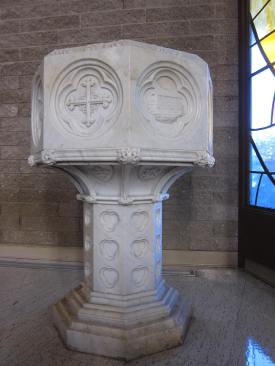
St. Paul's Font

St. Paul’s Font

Of all the articles regularly used in our services, very few are more than a century old.  Two silver chalices and a paten dated 1839 are brought out for special occasions. But every time we gather, we see the font, reminding us of the long history of this congregation.

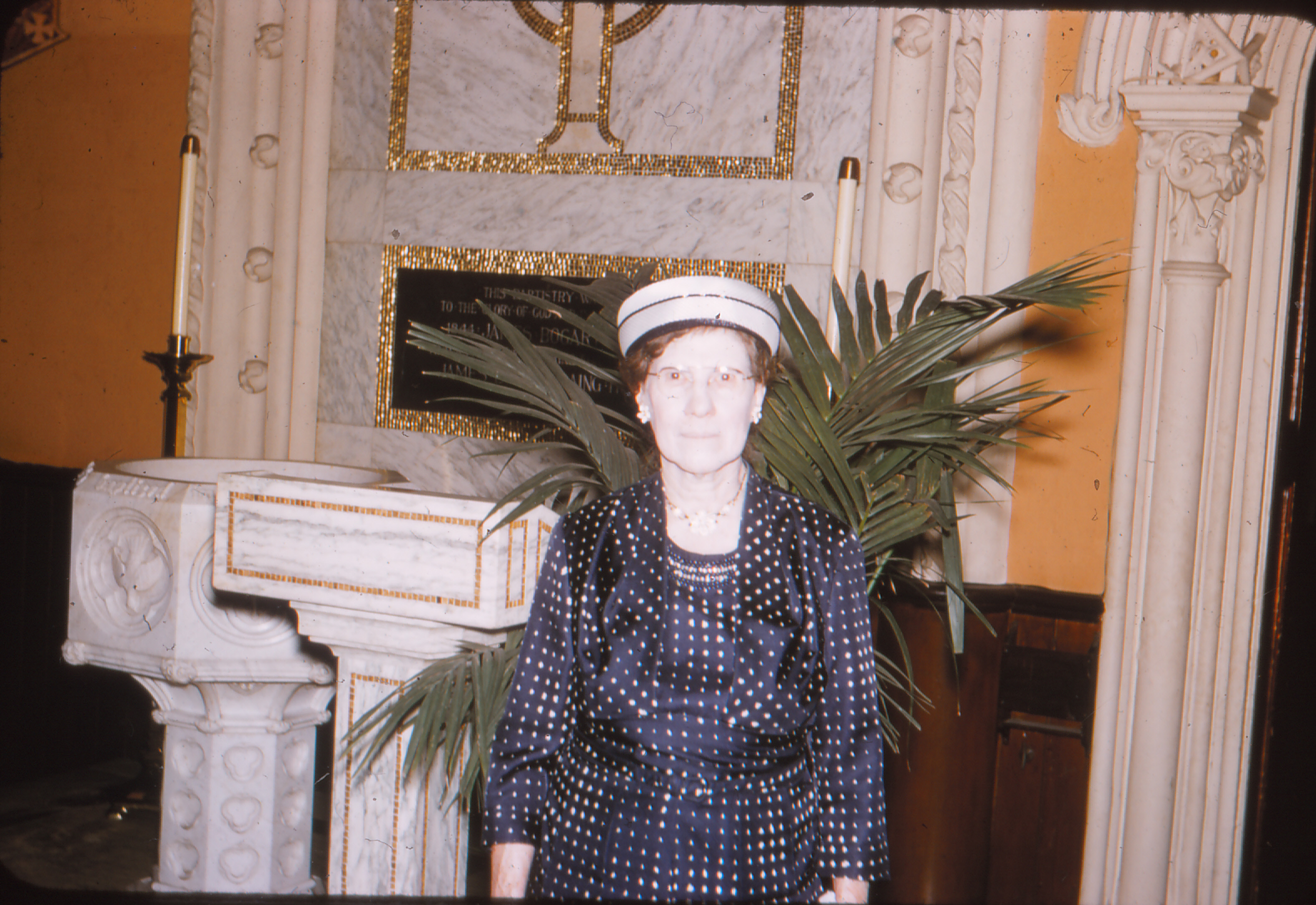
We do not know when we acquired this font, although already in the 1920’s we had had it “for many years.” Here is a snapshot from 1958, showing the font in the Lancaster Street church, in a baptistry of marble and mosaic, below a mural of “Christ Blessing a Child” and next to the marble  and mosaic lectern, now placed in the narthex of the Hackett Boulevard building.
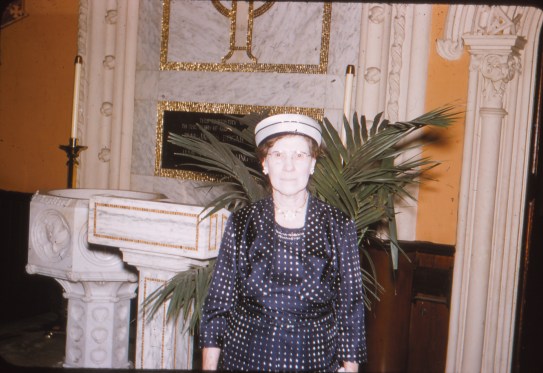
Baptistry of St. Paul's Church, Lancaster Street

Baptistry of St. Paul’s Church, Lancaster Street

We do not know who made it. But we do know who arranged for its purchase, and therein lies a story.

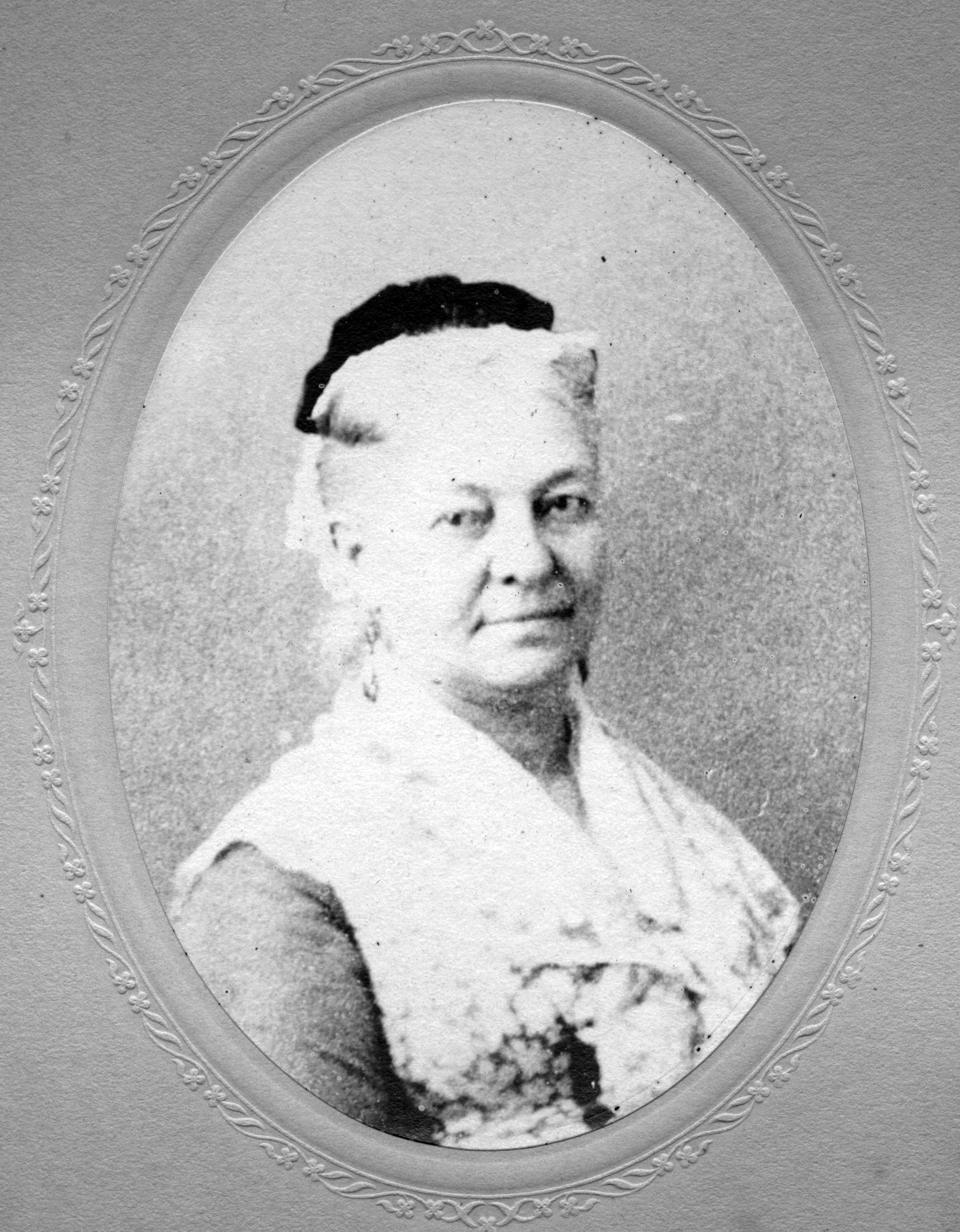
In the Lancaster Street church, St. Paul’s kept a gallery of photographs of important persons: warden and vestry, rectors,  curates and major donors. Among these latter, is a portrait of “Mrs. Sylvanus Reed, through whose efforts the font now in use was presented to the Parish.”

Caroline Gallup Reed

Caroline Gallup Reed

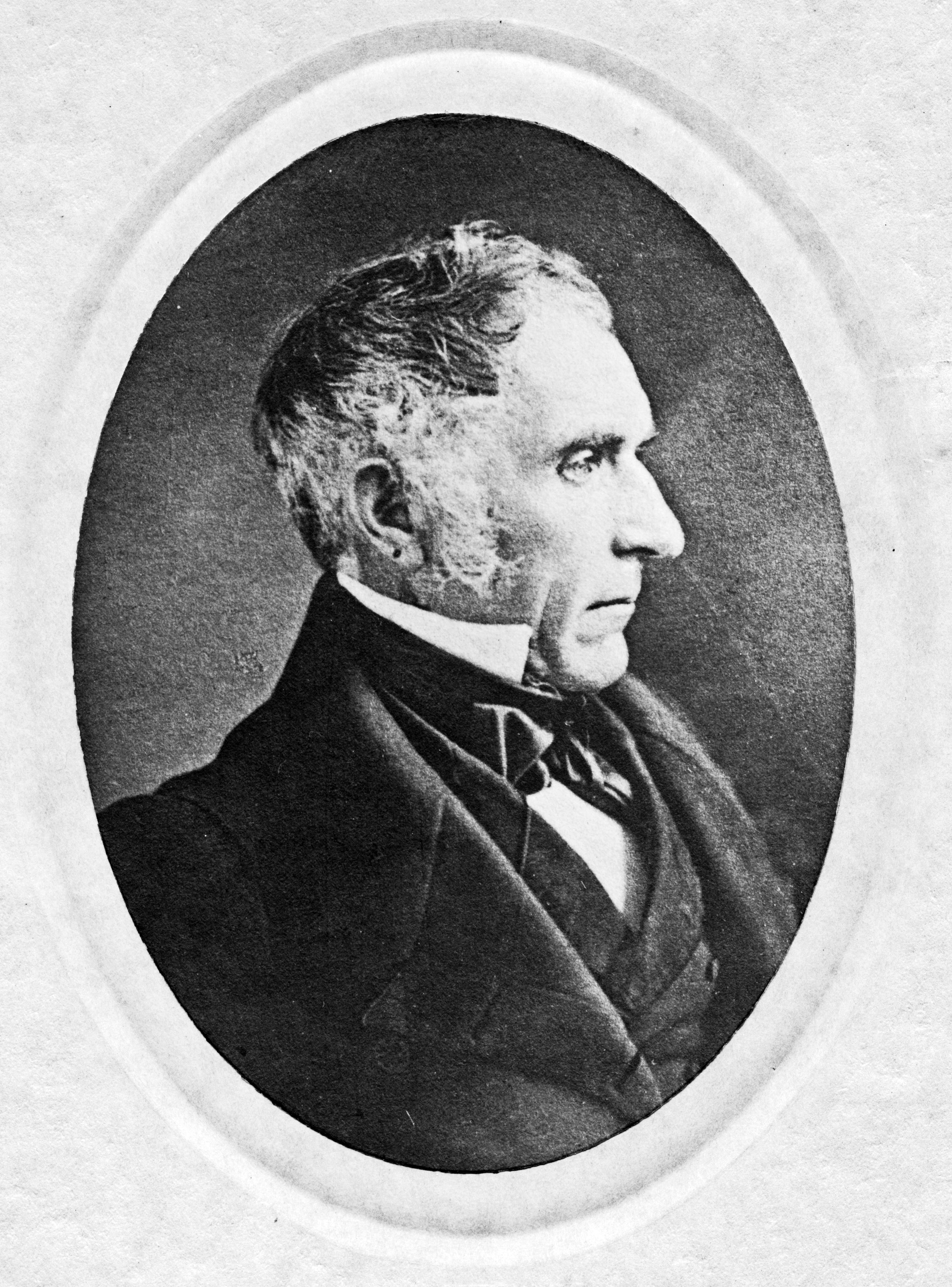
Caroline Gallup was born in Berne, Albany County, August 5, 1821. She moved to Albany with her family in 1832, when her father,

Albert Gallup

Albert Gallup

Albert Gallup, became Albany County sheriff, a position he held until 1835. In 1837, Albert Gallup was elected to the U.S. House of Representatives. The family’s association with St. Paul’s seems to have begun just after Albert Gallup’s single term ended in 1839. Caroline’s mother, Eunice Smith Gallup, became a communicant of St. Paul’s in 1840, and Albert Gallup began a three-year term as vestryman the same year.

Caroline’s early education was in St. Peter’s school, and the school run by the estimable Misses Carter, four “Irish ladies of culture and refinement” who were also St. Paul’s communicants. She then attended the Albany Female Academy, graduating in 1839.  Caroline became a communicant of St. Paul’s in 1841.

In 1851, Caroline was married at St. Paul’s to Sylvanus Reed in a service conducted by our rector, William Ingraham Kip. Sylvanus had also grown up in this parish. His father was Sylvester Reed, a St. Paul’s vestryman from 1839 until 1839.
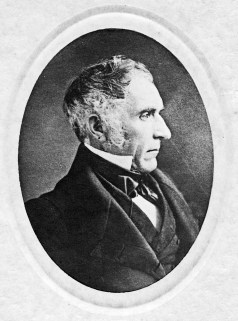
Sylvester Reed

Sylvester Reed

Sylvanus had the distinction of being the first person from St. Paul’s to enter the ministry.
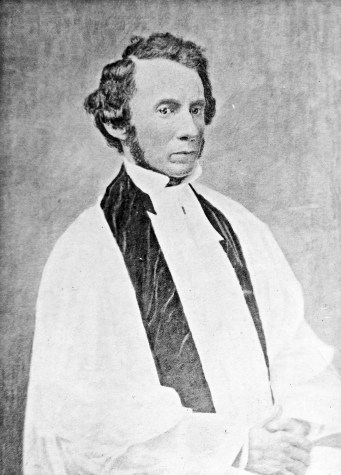
The Rev. Sylvanus Reed

The Rev. Sylvanus Reed

By the time of their marriage, he was rector of the newest Episcopal congregation in Albany, the Church of the Holy Innocents on North Pearl Street.

After their marriage, Sylvanus and Caroline lived in Albany for eleven years and all four of their children were born here. Two of these children may be of interest to you. Caroline’s son Sylvanus Albert Reed became an engineer, and designed the first modern metal airplane propeller. Caroline’s daughter Mary Geraldine was a well-known artist; she married Francois Millet, son of the painter Jean-François Millet. In 1862 Sylvanus accepted a position of minister at St. George’s Chapel, and the family moved to New York City.

Sylvanus’s health failed soon after the move, and in 1864 Caroline founded Mrs. Sylvanus Reed’s English, French and German Boarding and Day School for Young Ladies. Within a few years, it became on the of most prestigious schools for women in New York City, providing the daughters of the the city’s upper crust with a rigorous college-level education not then generally available to women in this country. The school attracted faculty of the highest caliber, and seems to have been particularly successful in providing employment to women, who found it difficult to find other academic appointments.
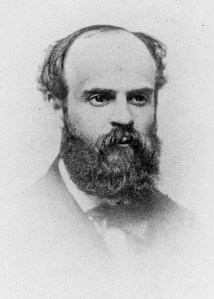
George William Warren

George William Warren

In another St. Paul’s connection, George William Warren, who had been our organist for twelve years between 1848 and 1860 (and likely the organist at Caroline and Sylvanus’s wedding),  taught choral singing and solfeggio, and gave private piano lessons at Mrs. Reed’s School.

Sylvanus died in 1870, but Carolyn continued as head of the school until 1890, and as a Visitor until 1894. when it became the School of the Sisters of the Church. Caroline Gallup Reed died in 1916.

Course of Study Collegiate Department 1883

Course of Study Collegiate Department 1883

We may never know  what efforts Caroline Gallup Reed exerted to bring this font, to St. Paul’s, but its presence in our nave serves as a reminder of our long history, and of our connection to an interesting family with an important role in women’s education.
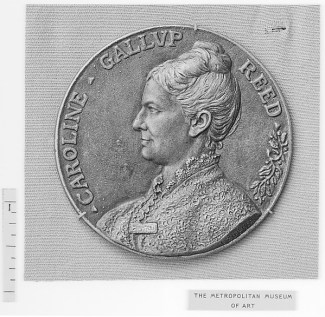
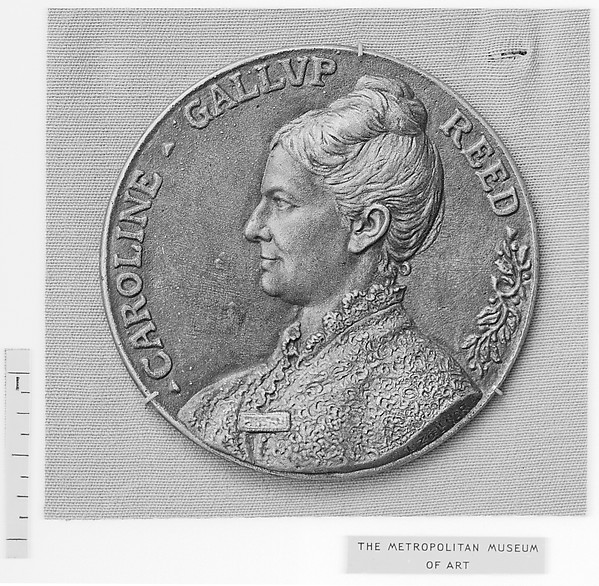
Medal Commemorating the 25th Anniversary of Mrs. Reed's School

Medal Commemorating the 25th Anniversary of Mrs. Reed’s School

Easter 1883 at St. Paul’s — The Children’s Service

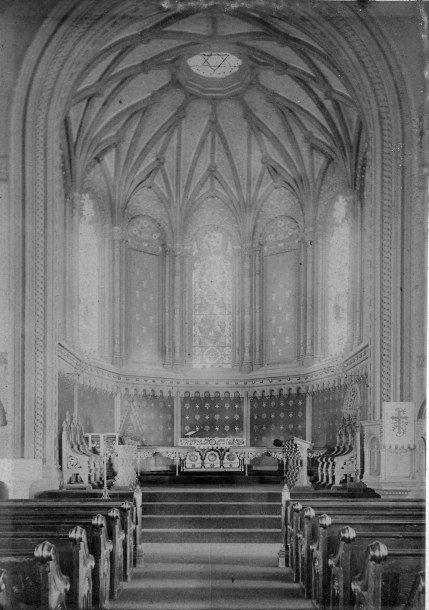
Lancaster Street Chancel late 19th century


The Lancaster Street chancel in the late 19th century


The list of St. Paul’s services for Easter 1883  includes the Children’s Service at 3:30, with a list of hymns they sang. But our archives also includes a copy of the children’s song sheets.

Easter 1873_0003


Easter 1873_0004

Perhaps the most interesting hymn  is “The Story of the Resurrection,” to verses by Claudia Frances Ibotsen Hernaman (1838-1898), prolific author of hymns, particularly for children. She is represented in the current Episcopal hymnal by the Lenten hymn “Lord, who throughout these forty days”.

You’ll notice that the text is divided into four sections –The Question, The Answer, The Story and Our Cry to Jesus. One English edition (M. Woodward, The Children’s Service Book as Used in the Parish Church of Folkestone. Folkestone: Vaughan & Russell, 1881.) assigns Section I to Two Choristers, Section II to Choir, Section III to Children and Section IV to All, suggesting a ataged performance.

The earliest edition for which I can find a melody is from the same year (Charles Lewis Hutchins ed., The Sunday-School Hymnal and Service-Book: Medford, Mass: by the editor, 1881.) It is possible that this was the edition used at St. Paul’s, because it contains versions of five of the six hymns on the song sheet. While the composer is not named, we know that he was English organist and composer Alfred Edward Redhead (1855 — 1937), because he is credited in a later version.

Redhead adds interest and drama to the hymn by using three different melodies. The Question and The Call use related melodies in the same  key, both marked “Not fast”; The Story changes the key,  and increases the tempo “A little faster”; Our Cry to Jesus returns to the key, melody and tempo as at the beginning.

The Sunday-school Hymnal The Sunday-school Hymnal

In Redhead’s later version entitled “Resurrection Song” (F. N. Peloubet and Hubert P. Main eds.,  Select Songs No. 2: for the Singing Service in the Prayer Meeting; Sunday school; Christian Endeavor Meetings. New York: Biglow & Main Co., 1893.), he uses a different device to add drama, including Sections I and II only, but alternating quatrains from Question and Answer, and suggesting performance “By two Classes, or the School in two Divisions.


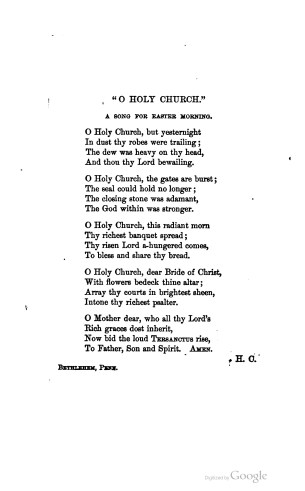
O Holy Church: A Song for Easter Morning

A hand-written document, found in St. Paul’s archives, with the notation “Dr. Henry Coppeth [sic], University Penn., wrote these verses in St. Paul’s Rectory”.

O Holy Church
A Song for Easter Morning

O Holy Church, but yesternight
In dust thy robes were trailing;
The dew was heavy on thy head,
And thou thy Lord bewailing.

O Holy Church, the gates are burst;
The tomb could hold no longer;
The closing stone was adamant,
IMG_0004The God within was stronger.

O Holy Church, this Easter morn,
Thy richest banquet spread;
Thy risen Lord a-hungered comes,
To bless and share they bread.

O Holy Church, dear bride of Christ,
With flowers bedeck thine altar;
Array thy courts in evergreens,
Intone thy richest psalter.

O Holy Mother dear, who all thy Lord’s
Rich graces dost inherit,
Now bid the loud Tersanctus rise,
To Father, Son and Spirit. Amen.

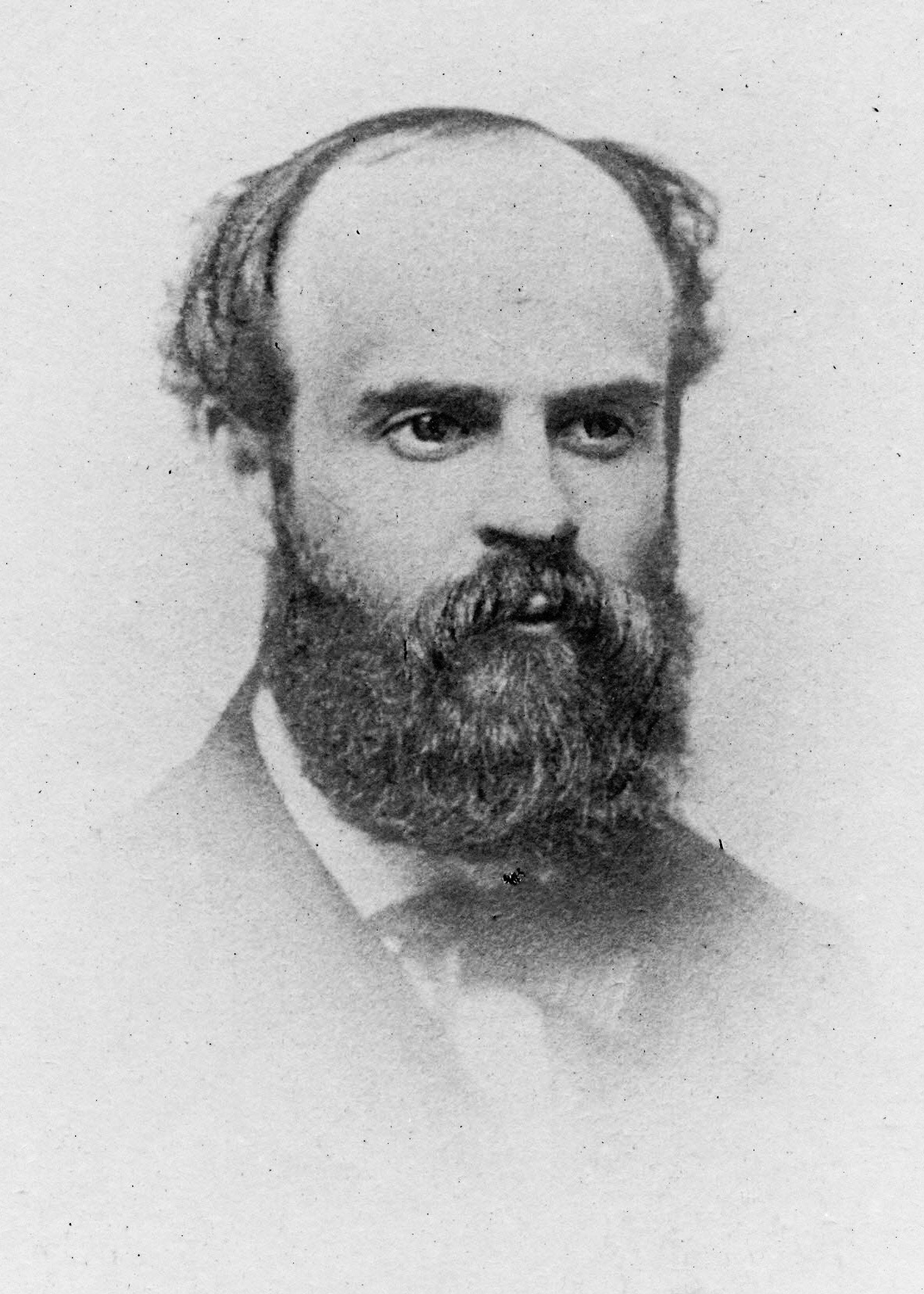
The notation misspells the author’s name: when this verse was published in 1882, it was ascribed to Henry Coppée, one-time professor at the University of Pennsylvania.

Henry_Coppée

"Henry Coppée" from The Lehigh University, a
Historical Sketch, by Edmund M. Hyde, 1896..
Licensed under Public Domain via Wikimedia
Commons

It is not certain when and why Coppée would have visited St. Paul’s rectory.  His first visit to this area was in 1866 (to receive an honorary LL.D. at Union College) and, since that was the last year he taught at Pennsylvania, that may be the year of composition. On the other hand, Coppée was in Schenectady and Albany many times between 1866 and 1880, so the date may have been later. As to the connection to St. Paul’s, our rector from 1864 until 1891 was J. Livingston Reese, a long-time member of Union College’s Board of Trustees.

“O Holy Church” was first published in The American Church Review for April 1882, with a few small changes.  The text itself only gives the initials “H.C” and “Bethlem, Penn.”,  the location of Lehigh University, where he was professor. The magazine index, however, lists Coppée ‘s full name.

The American church review

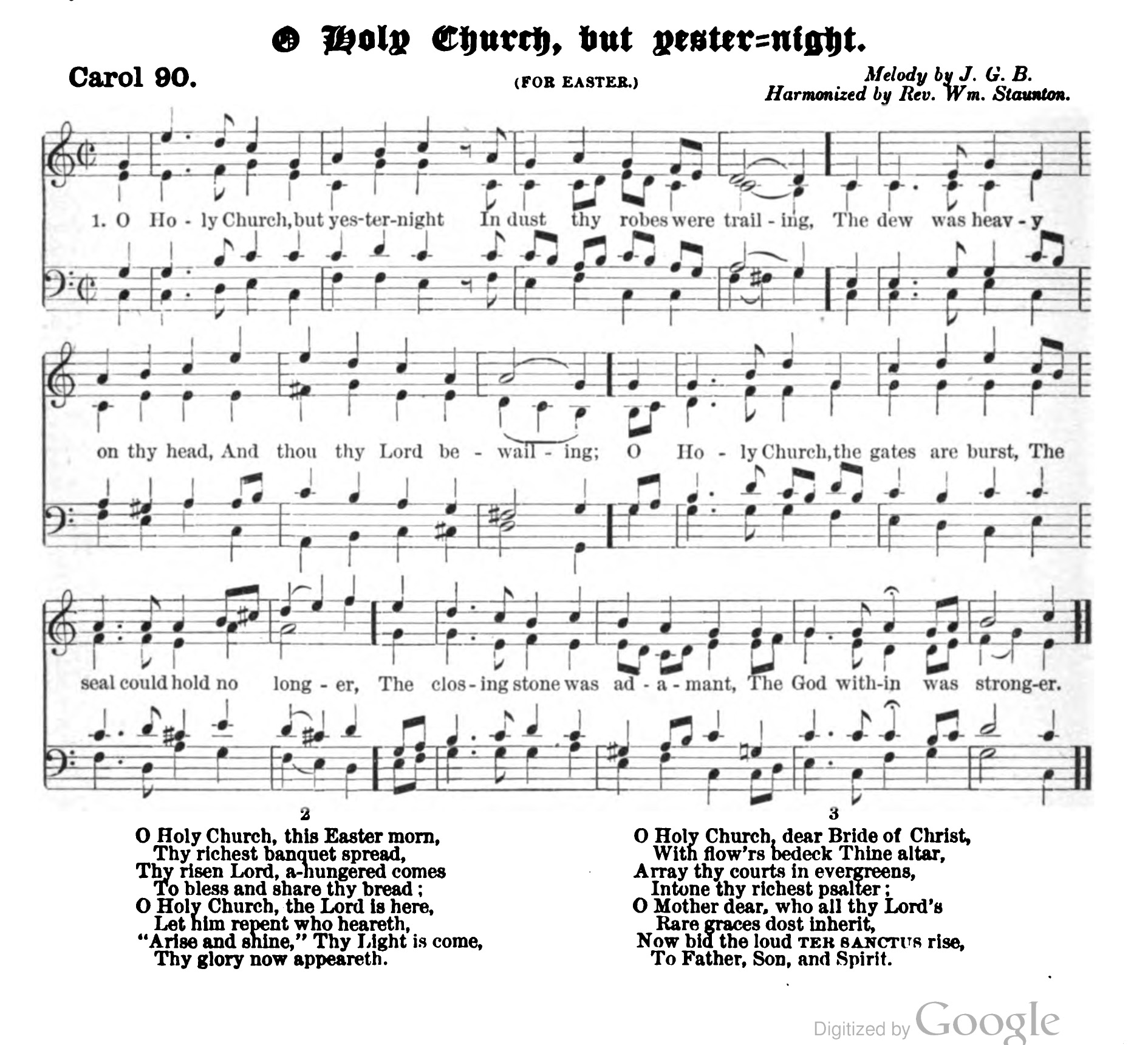
Five years later, in volume 4 of The Parish Choir, the poem was used as the text for an Easter Hymn. In this publication, Coppée is not credited, and an additional quatrain was added to fit the melody. The Parish Choir

Holy Week 1883: What was St. Paul’s Choir Rehearsing?

We are now half-way through Holy Week, and St. Paul’s choir met last night  for our Easter Sunday dress rehearsal. I thought it might be interesting to take a peak at what Easter repertoire the choir would have been rehearsing more than one hundred years ago.  From the church archives, here is the card showing the Order of Easter Services for March 25, 1883.

Easter 1873_0001Easter 1873_0002

Among composers who can be identified:

  • The processional “Ye Choirs of New Jerusalem” is by George William Warren, born in Albany and organist/choirmaster at St. Paul’s (with a few breaks) from 1848 until 1860.
  • The Te Deum and one hymn are by Dudley Buck (1839 — 1909), a prolific and very popular American composer.
  • The Jubilate was by Wolfgang Josef Emmerig  (1772-1839).
  • The Ascription is the chorus “All Glory to the Lamb that died” from the oratorio “Last Judgment” by German composer Louis Spohr (1784 — 1859).
  • The Offertory is the Gloria from an unnamed Mozart mass.
  • The Evening Service anthem “Hosanna to the Son of David” is probably by the English composer and musicologist Sir George Alexander Macfarren (1813 — 1887).

We do not know the identify of the paid soloists in the quartet choir, or the names of the members of  the larger amateur chorus that would have performed this music. It is certain, however,  that the organist/choirmaster was Thomas Spencer Lloyd, who had served in the role at St. Paul’s since 1865. Unfortunately, this was Lloyd’s last Easter. A week later he fell ill, and he died on April 10, 1883, his 53rd birthday.

T Spencer Lloyd Miniature from AIHA

Thomas Spencer Lloyd Unknown photographer Ambrotype, ht. 3 3/4" x w. 6 1/4" Albany Institute of History & Art Library, HO 81_02, 376

Members of the Chorus — James Mason Sayles and Star of the Evening

128.078.000.webimage

During the nineteenth century, St. Paul’s choirs were dominated by a professional quartet, with a supporting role played by a chorus. We can trace the names and careers of St. Paul’s quartet for most of the century, but there is much less information available about the chorus.

The first chorus in which we can identify individuals was under George William Warren in the late 1850’s. Warren had operated a singing school, and from those students he selected twelve boys to serve as a chorus. We can name three of these boys; while two of the three were Episcopalians, only one of the two had parents who attended St. Paul’s.  This short-lived experiment was the first boy choir in this area, although the Church of the Holy Cross in Troy had had a girls’ choir as early as 1844. St. Paul’s was not to revive the boy choir until 1906.

In the next three decades, we have full choir lists only for the Christmases of 1869 and 1875. The women were quite young: most were single and no older than their mid-twenties. And there were family connections: in each of these years, there was a pair of sisters. The men were slightly older, on average in their early thirties, and more likely to be married. And among both men and women, only a few were members of the congregation.

Among St. Paul’s members in the 1869 choir was a young couple, Carrie Ross Sayles and her husband James Mason Sayles. Carrie, age 29, had been St. Paul’s soprano soloist on and off since 1858. She was an Albany native, and was much in demand as a concert soloist. James, age 32, had been confirmed at St. Paul’s in 1860. The couple had a daughter, also named Carrie, who had been baptized at St. Paul’s in 1867. The young family lived at 309 Hudson Ave.

But James was not just a member of the bass section. When he was not working as a bookkeeper at the National Albany Exchange Bank, he was a busy composer.  You probably don’t know most of his popular songs; When the Roses Bloom,  The Golden Grain Was Waving and The Trumpet Sounds the Challenge all slipped inWhen Roses 001to obscurity a century ago.

His most famous work, Star of the Evening, was a verse he wrote at age 17  in a young lady’s autograph book, and for which he later wrote a melody.  It became an international best-seller, and publication reached fifty editions, including many arrangements. His obituary included this statement:

“This song was sung by all the beaux and belles of 1855 and for years later. All of the music stores in this country and Europe offered it for sale, and William Vincent Wallace wrote variations upon it for the piano. It was sung in countless places of amusement and whistled on the street.”

You might find the chorus of this work familiar, if it were crooned with appropriate Victorian portamento:

Beautiful star, beautiful star

Star of the evening, beautiful, beautiful star

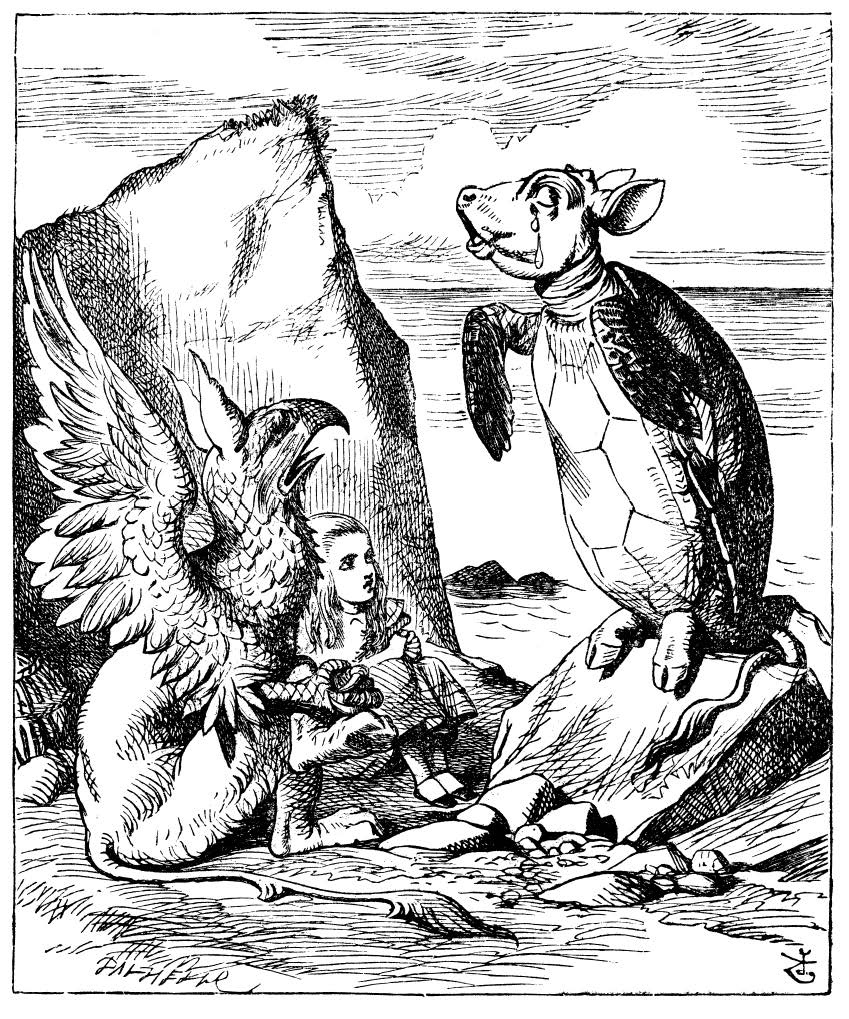
That’s right. James M. Sayles’s “Star of the Evening” is the sentimental song parodied in Lewis Carroll’s Alice’s Adventures in Wonderland, when the Mock Turtle sings:

Beau—ootiful soo—oop, Beau—ootiful Soo—oop

Soo—oop of the e— e—evening, Beau—ootiful, Beau—ootiful Soup!

Alice_par_John_Tenniel_34

"Alice par John Tenniel 34". Licensed under Public Domain via Wikimedia Commons - http://commons.wikimedia.org/wiki/File:Alice_par_John_Tenniel_34.png#/media/File:Alice_par_John_Tenniel_34.png